Stepping into an ice-cold shower may seem like a rough way to start the day, but some research suggests it could benefit your health.
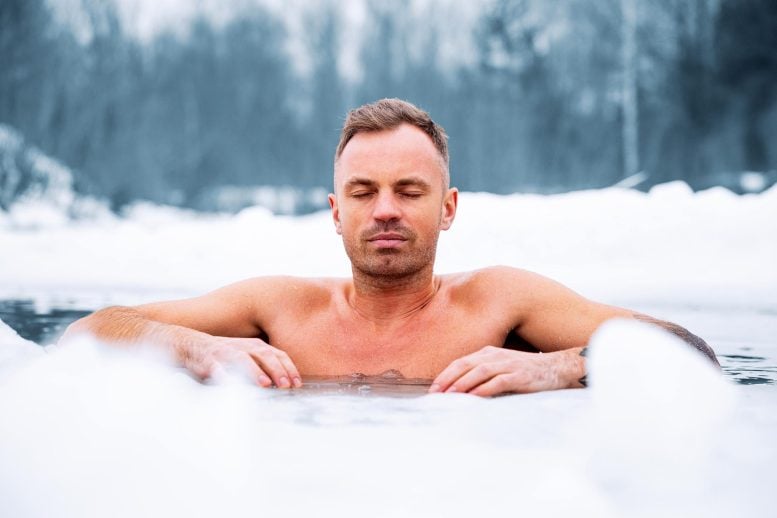
Known as cold water immersion, or cold water therapy, the practice — which can also take the form of ice baths or polar plunges — is a complementary therapy that proponents say can alleviate pain, accelerate post-workout recovery, and boost mood, among other potential perks.
What Is Cold Water Therapy?
Cold water therapy, a combination of cryo- (cold) and hydro- (water) therapy, is an age-old practice with origins in the Greco-Roman era. The practice is intended to reduce discomfort and promote good health.
You can practice cold water immersion on your own at home or in a natural body of water. However, it’s best to do it under the guidance of a healthcare professional if you’re using it to recover from an injury, improve your athletic performance, or alleviate pain. Some fitness centers, physical therapy clinics, and specialty wellness studios offer hydrotherapy, including cold water immersion.
How Cold Water Therapy Works
Immersing yourself in cold water may affect the body through a few different mechanisms:
Vasoconstriction When you’re cold, your blood vessels constrict, or narrow. This process, known as vasoconstriction, may help reduce inflammation.
Hydrostatic Pressure The gentle pressure water exerts on your body (known as hydrostatic pressure) similarly reduces pain and swelling, while boosting blood flow to the heart, says Sean Carpenter, DPT, a physical therapist with Memorial Hermann Health System in Houston.
“It’s like a natural compression system for your muscles,” Carpenter says.
Vasodilation When you warm up after a cold plunge or shower, blood vessels expand (vasodilation), Carpenter says. When that happens, the oxygen- and nutrient-rich blood gets pumped back to your tissues.
Inflammation Reduction Pain and swelling often stem from inflammation.
By reducing pro-inflammatory chemicals in the body, cold water therapy may help calm the body’s response to injury or strain, Carpenter says.
“It’s much like applying ice to a sprained ankle.”
Nervous System Stimulation Entering frigid water prompts the brain to release endorphins — the same happy chemicals you get from a good workout. It also activates the sympathetic nervous system (SNS), stimulating a rise in noradrenaline (a hormone involved in the fight-or-flight response) and dopamine (the “happy hormone”) and a decrease in cortisol (the “stress hormone”).
“This can elevate your mood,” says Joseph Hribick, DPT, clinical assistant professor of physical therapy at Lebanon Valley College in Annville, Pennsylvania.
Benefits
Risks
Who’s It For
Who Should Avoid It
Getting Started
What to Expect
Stepping into an ice-cold shower may seem like a rough way to start the day, but some research suggests it could benefit your health.
Known as cold water immersion, or cold water therapy, the practice — which can also take the form of ice baths or polar plunges — is a complementary therapy that proponents say can alleviate pain, accelerate post-workout recovery, and boost mood, among other potential perks.
Here’s a look at what cold water therapy entails, whether it’s safe for you, and how to get started.
What Is Cold Water Therapy?
Cold water therapy, a combination of cryo- (cold) and hydro- (water) therapy, is an age-old practice with origins in the Greco-Roman era. The practice is intended to reduce discomfort and promote good health.
You can practice cold water immersion on your own at home or in a natural body of water. However, it’s best to do it under the guidance of a healthcare professional if you’re using it to recover from an injury, improve your athletic performance, or alleviate pain. Some fitness centers, physical therapy clinics, and specialty wellness studios offer hydrotherapy, including cold water immersion.
How Cold Water Therapy Works
Immersing yourself in cold water may affect the body through a few different mechanisms:
Vasoconstriction When you’re cold, your blood vessels constrict, or narrow. This process, known as vasoconstriction, may help reduce inflammation.
Hydrostatic Pressure The gentle pressure water exerts on your body (known as hydrostatic pressure) similarly reduces pain and swelling, while boosting blood flow to the heart, says Sean Carpenter, DPT, a physical therapist with Memorial Hermann Health System in Houston.
“It’s like a natural compression system for your muscles,” Carpenter says.
Vasodilation When you warm up after a cold plunge or shower, blood vessels expand (vasodilation), Carpenter says. When that happens, the oxygen- and nutrient-rich blood gets pumped back to your tissues.
Inflammation Reduction Pain and swelling often stem from inflammation.
By reducing pro-inflammatory chemicals in the body, cold water therapy may help calm the body’s response to injury or strain, Carpenter says.
“It’s much like applying ice to a sprained ankle.”
Nervous System Stimulation Entering frigid water prompts the brain to release endorphins — the same happy chemicals you get from a good workout. It also activates the sympathetic nervous system (SNS), stimulating a rise in noradrenaline (a hormone involved in the fight-or-flight response) and dopamine (the “happy hormone”) and a decrease in cortisol (the “stress hormone”).
“This can elevate your mood,” says Joseph Hribick, DPT, clinical assistant professor of physical therapy at Lebanon Valley College in Annville, Pennsylvania.
Types of Cold Water Therapy
Options for cold water therapy include:
Cold Water Immersion Like the name suggests, cold water immersion involves lowering yourself in cold water up to your neck or submerging a specific area of the body, like an arm or a leg. You can do this in a tub, basin, or natural body of water. There’s no universal, official guidance for the optimal temperature or time limit, but most people use water that’s at or below 59 degrees F and remain submerged for 10 minutes at most.
Contrast Water Therapy This method is similar to cold water immersion, except that it alternates exposure to cold water with exposure to hot water. There’s no standard protocol, but most studies involve using temperatures between 50 to 59 degrees F (cold) and 100 to 104 degrees F (hot) for 1 to 2 minutes at a time.
Cold Showers Taking a frigid shower offers a way to ease into cold water therapy, though it may not be as beneficial as cold water immersion, says Scott J. Biehl, DO, an orthopedics and sports medicine physician at Rochester Regional Health in New York.
As with immersion, it’s best to gradually turn down the temp, and stay in for 10 minutes at most.
Wim Hof Method The Wim Hof Method, invented by Dutch extreme athlete Wim Hof, combines cold water therapy, breath work, and commitment. By commitment, Hof means dedication to the practice and exercising self-control and willpower.